

Everyone loves cheese — let’s face it, cheese is one of the most important ingredients for any tasty dish. Can you imagine what pizza would taste without cheese? Surely not as appetising as it tastes now!
But cheese is always associated with adding a few extra pounds to your body.
Every health guru out there will instruct you to abstain from cheese. Every dietician will tell you to remove cheese from your daily diet.
The funniest bit is, the French who survive on cheese are on an average slim and have a long lifespan.
Cheese is a nutritional powerhouse, rich in nutrients including protein, phosphorus, and don’t forget calcium. In 2015, a study published in the Journal of Agriculture and Food Chemistry showed that a diet rich in cheese was linked with butyric acid which is a compound that is linked to faster metabolism and a decreased risk of obesity.
So why not use your cheese addiction to your advantage, and opt for any of these five healthy kinds of cheese!
Cottage
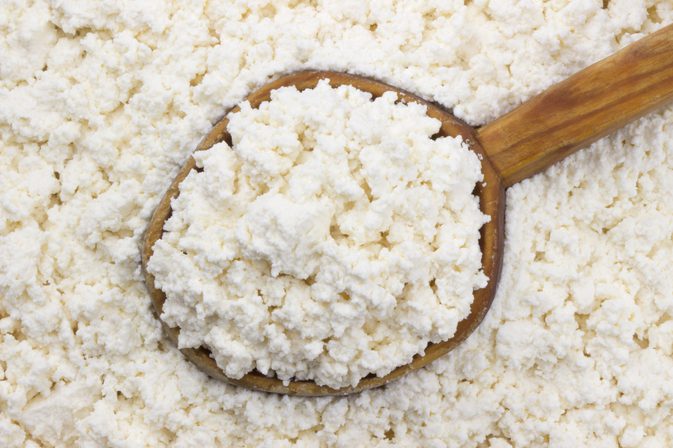
High in protein, calcium and other healthy nutrients, this is the perfect snack to eat on its own or toss into other recipes for a creamy boost.
Parmesan
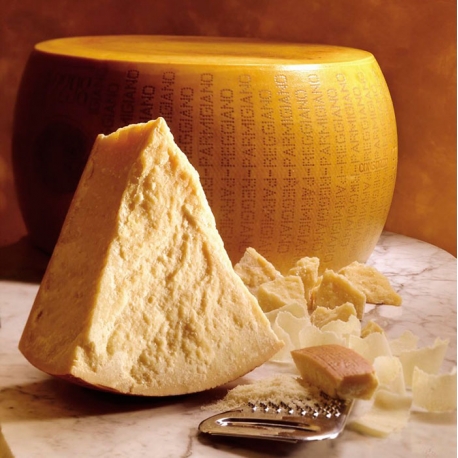
Adding Parmesan cheese to your meal can enhance the flavour of food, and provide your body with a nutrient boost as it’s packed with protein, calcium and Vitamin A.
Ricotta

It contains 14 grams of protein and 25 percent of your daily calcium needs. It is low in sodium and high in phosphorus, Vitamin A & B, and Zinc.
Aged cheddar
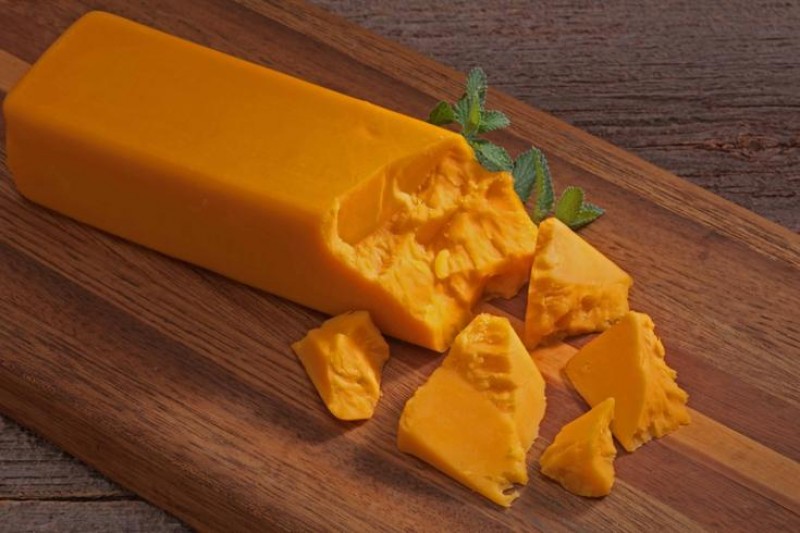
It contains a high concentration of essential nutrients: calcium, phosphorus, zinc, vitamin A, riboflavin, vitamin B12, and high-quality protein. In fact, people who are lactose intolerant can often eat aged cheeses with no problems, as the lactose content is little to none.
Full-fat
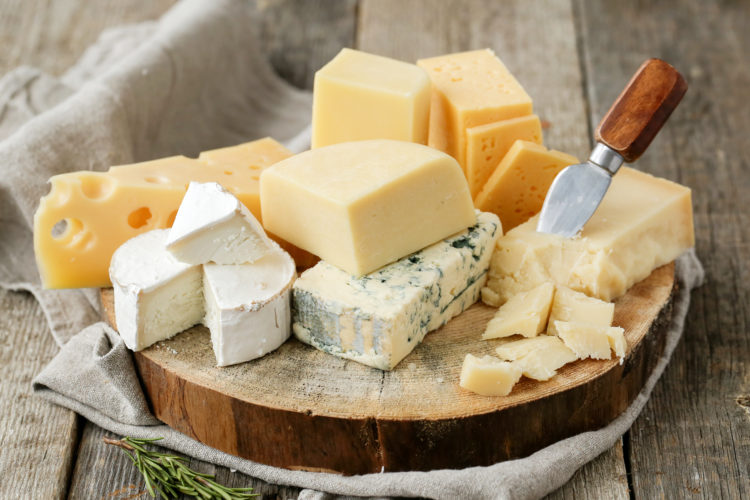
A 2015 study in The American Journal of Clinical Nutrition found that people who eat at least eight servings full-fat dairy per day have a 23 percent lower risk of developing type 2 diabetes compared to people who eat one or fewer servings per day.

0 Comments Add a Comment?